Mark 10:25
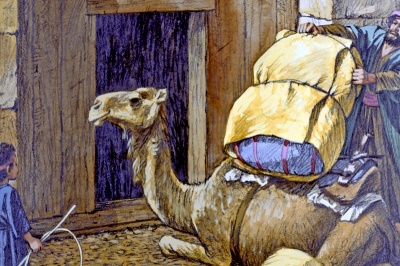
A camel to go through the eye of a needle (Mark 10:25)
At face value, a camel through the eye of a needle is something impossible. A rich man asked Jesus what he ought to do to inherit eternal life. Jesus looked at him and loved him, and…

Discover the biblical stories behind the expressions we use every day.
Mark 10:25
At face value, a camel through the eye of a needle is something impossible. A rich man asked Jesus what he ought to do to inherit eternal life. Jesus looked at him and loved him, and…

Ecclesiastes 10:20
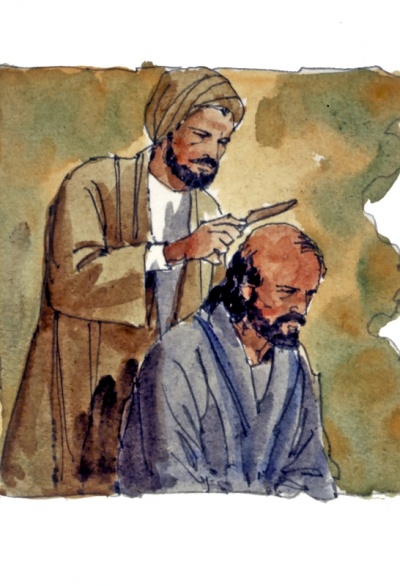
The saying from the Book of Ecclesiastes, written by King Solomon in his latter years, reminds us to be careful with what we say, because our words may be carried to the hearer in some…
Matthew 13:54-57
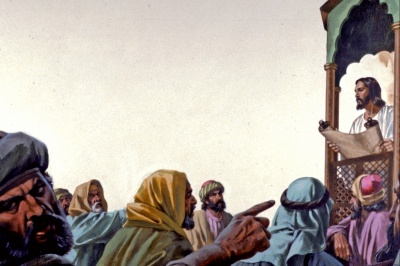
When Jesus returned to his hometown in Nazareth, people were amazed by Jesus’s miraculous powers and wisdom. Some started to question his ability, because he was only a carpenter’s son…
Proverbs 15:1
Words can heal as much as harm. A soft answer smooth a situation, but harsh words make one angry. A parallel saying can be found in other cultures. Remember in Aesop’s fables, the…
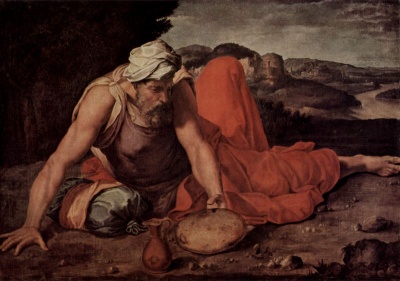
1 Kings 19:12
Elijah is a prophet who has been very zealous for the Lord. As dedicated as he is, he still suffers from emotional setbacks. While he was persecuted by Jezebel, the queen of Israel, he…
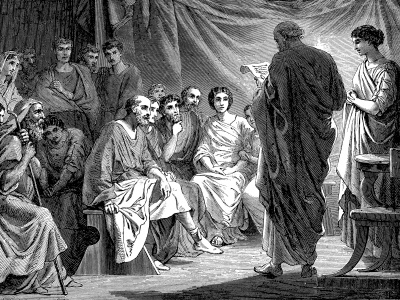
1 Corinthians 5:3
In the letter to the church in Corinth, a principal city of Greece, Paul the apostle was rebuking a sexually immoral church member who committed incest by marrying his step-mother. The…

Genesis 3:6
Adam’s apple refers to the voice box that sticks out under the skin of throat. Legend has it that Adam’s throat was stuck after the first bite of the forbidden fruit.
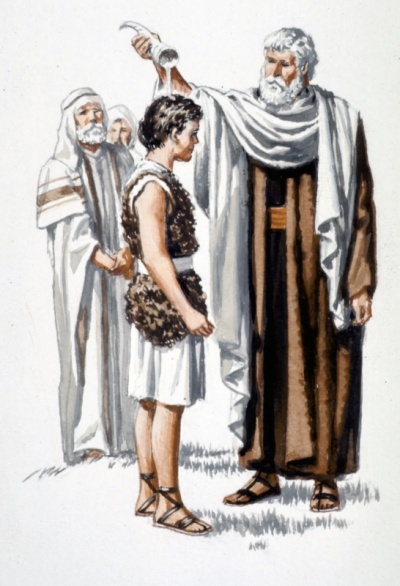
1 Samuel 13:14
A person after your own heart thinks the same way as you.
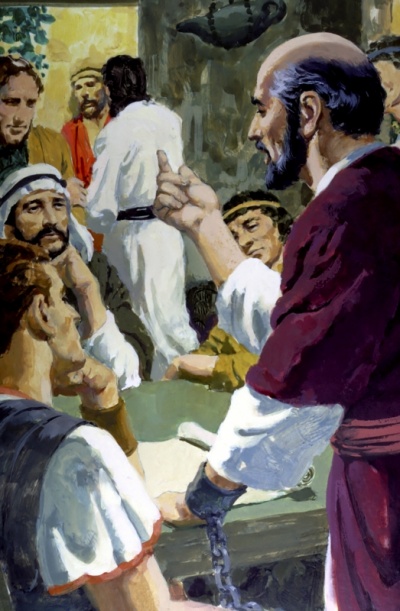
1 Corinthians 9:22
When you become all things to all men, you please everyone.
Revelation 1:8
The alpha and omega of something refers to the beginning and the end of something.
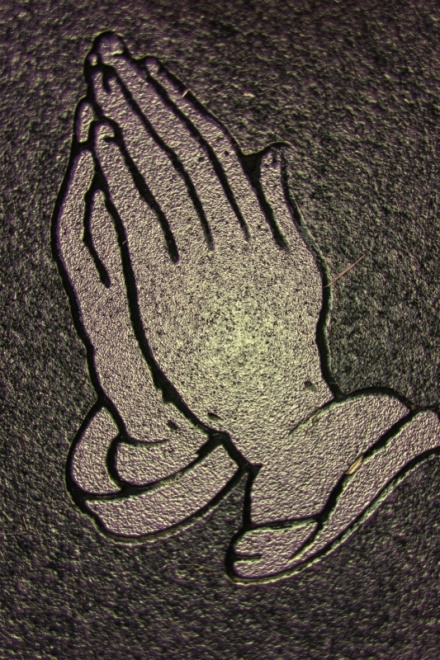
Exodus 21:24-25, Matthew 5:38
The literal meaning is clear on the surface, that a person should be punished exactly like the crime they committed. If one took the life of another person, the killer should be…

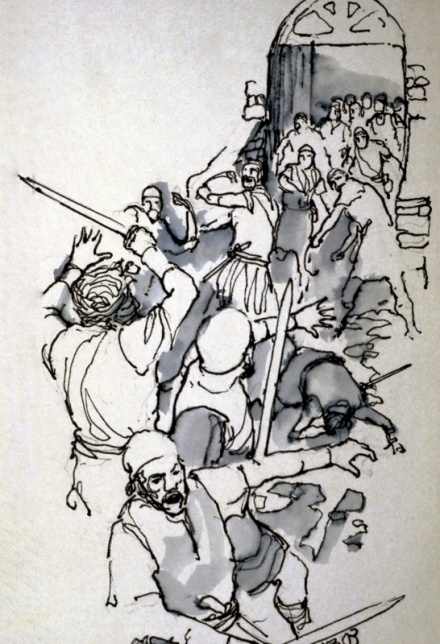
Judges 20:8
To arise as one man is to unite everyone for the same cause.
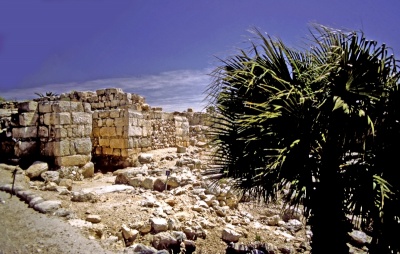
Revelation 16:16
Armageddon is figuratively used to describe the total destruction of a final battle.
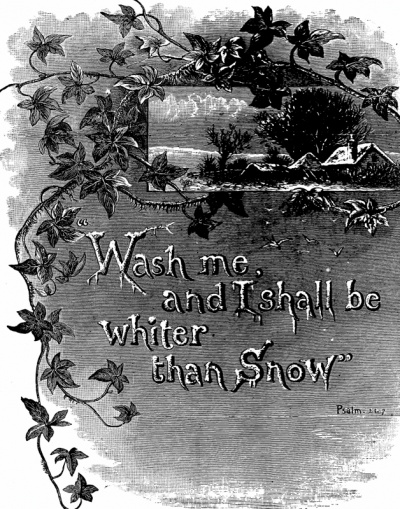
Isaiah 1:18
If something or someone is as white as snow, they are perfect or completely uncorrupted and honest.

Genesis 2:7, 3:19
In the Burial section of the first English Book of Common Prayer completed in 1548 is this line: “Earth to earth, ashes to ashes, dust to dust.” This phrase does not come directly from…
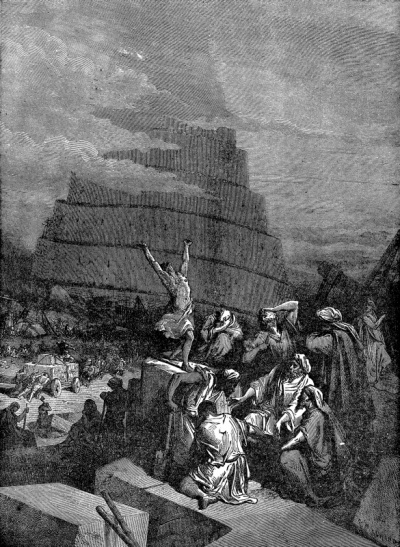
Genesis 11
Babel implies a mess or a state of confusion. It also refers to a visionary project.
Psalms 147:3
To bind up one’s wounds is to heal one’s physical or inner pain and sorrows.
Isaiah 1:15
Isaiah, an Old Testament prophet, rebuked the people of Israel of their hypocrisy. Their hands were used in prayer as much as were used in violent and sinful acts. They committed…
Revelation 20:1
The bottomless pit, or abyss in the New International Version, is the place where Satan lives. An angel, probably Jesus Christ, will come to bind Satan to a bottomless pit for a…
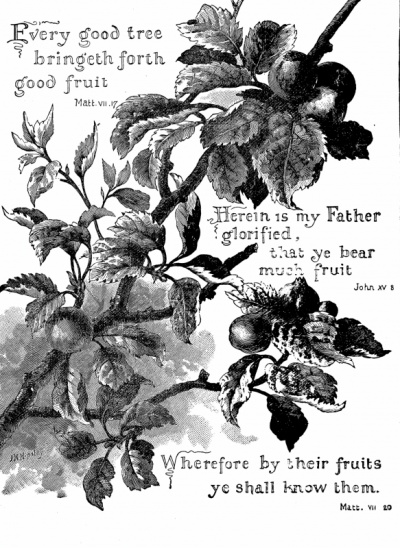
Matthew 7:20
This expression came to mean someone’s ill intention is easily recognizable from his or her deeds.
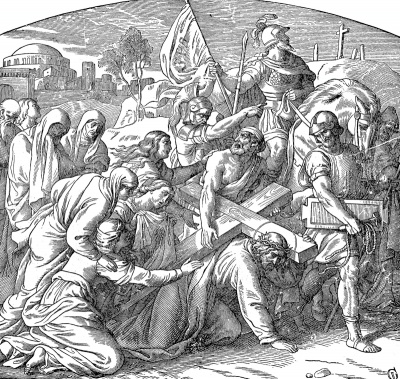
Luke 9:23
If someone has a cross to bear or carry, they have to deny oneself, to die to self.
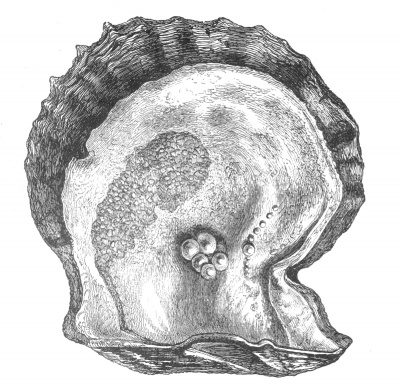
Matthew 7:6
In his famous sermon on Mount Beatitudes, Jesus said to the crowds on mountain top, “Do not give dogs what is sacred; do not throw your pearls to pigs. If you do, they may trample them…

Jeremiah 13:23
This idiom means that people cannot change basic aspects of their character, especially negative ones. “A leopard doesn’t change its spots” is also used.

Revelation 22:1
“Clear as crystal”, or “crystal clear” becomes a common expression to describe something that is transparent.
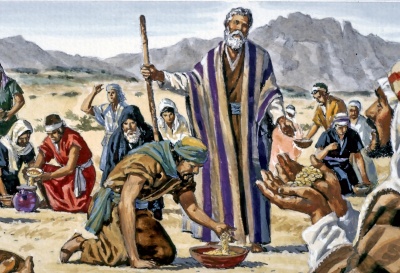
Matthew 6:9-13
Bread is a metaphor that stands for provisions in the Bible. Daily bread means daily supplies or necessities, physical or spiritual.
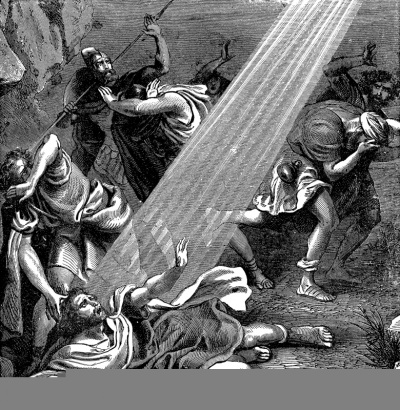
Acts 9:18
In modern day usage, a Damascus road experience or conversion refers to a sudden change on a serious issue such as changing political views, a major career change or converting to…

Genesis 2:20
Daughter of Eve is used to describe women in general as they are born after the creation of Eve.
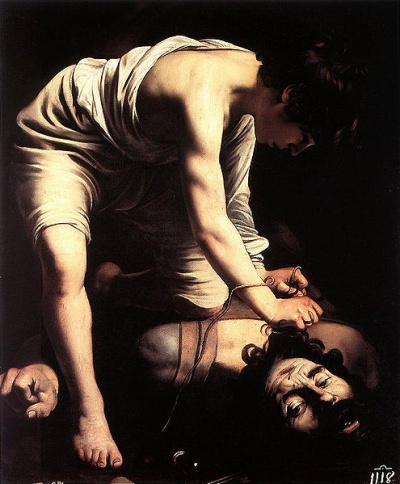

Matthew 7:1
It comes from Jesus’ famous sermon delivered to his followers at Mount Beatitudes. Chief among his teachings, Jesus taught them not to judge others, or else they will be judged and…
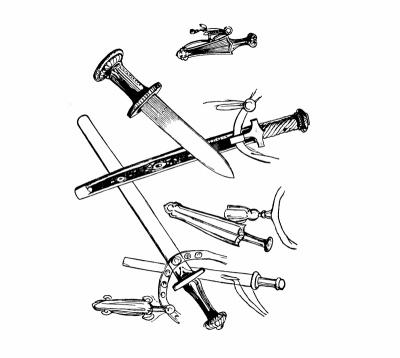
Hebrews 4:12
A double-edged sword is a weapon of potential danger – its edge cuts on both sides. If it is not handled properly, it can hurt you, as much as strike the target as much as it can hurt…
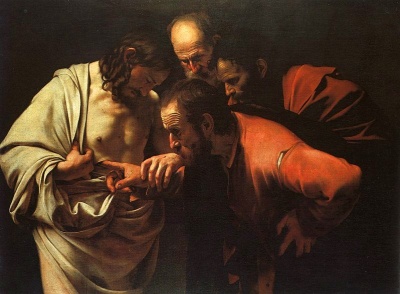
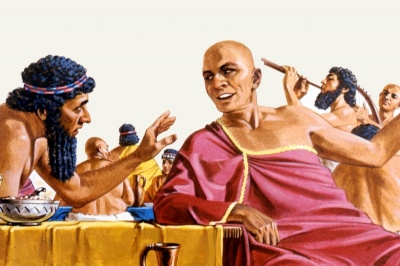
Ecclesiastes 8:15 KJV
Eat, drink and be merry is a common phrase seen in restaurant guides or leisure magazines. Happy hours at pubs are often depicted as a time to “eat, drink and be merry.” With this…
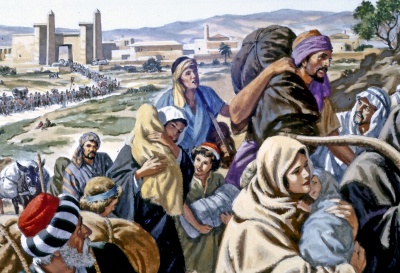
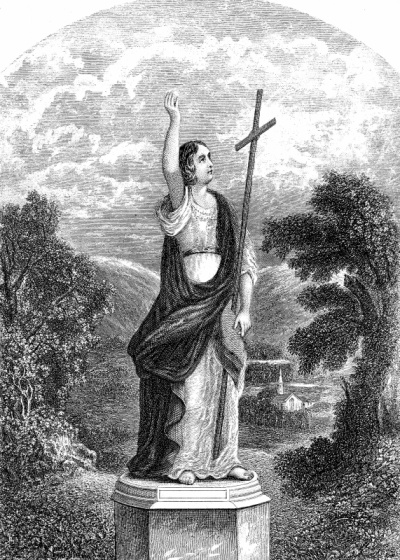
Matthew 17:20
If you would move mountains to do something, you would make any effort to achieve your aim. When people say that faith can move mountains, they mean that it can achieve a lot.
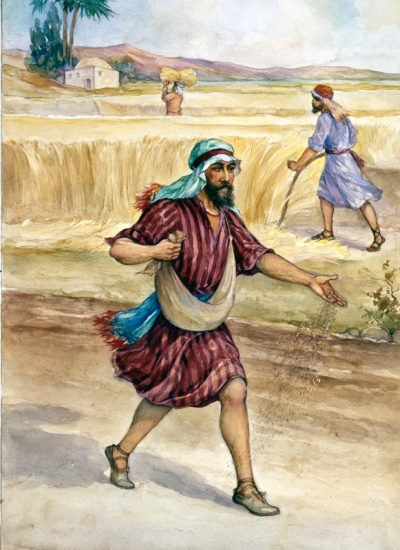
Matthew 13:3-8 KJV
When you fall by the wayside, you give up a task, or cease to be important. For example, a politician who falls by the wayside has become irrelevant to the agenda of his party.
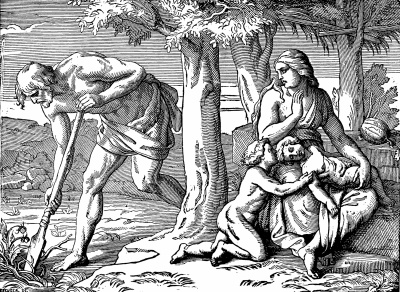
Genesis 3 / Galatians 5:4
The phrase is now used to describe a person of a high standing who suddenly lost his or her position.
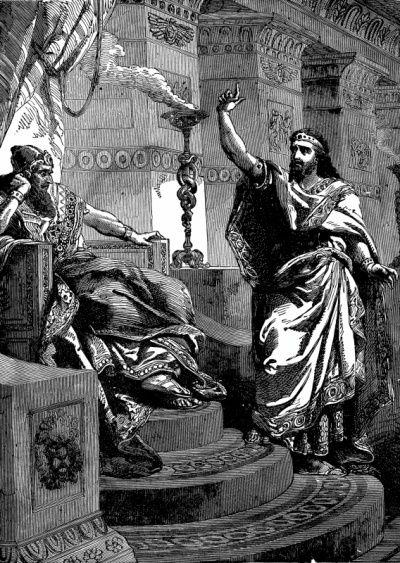
Daniel 2:33
Those who have feet of clay have flaws that make them seem more human and like normal people.
2 Timothy 4:6-7
“Fight the good fight” has become a metaphor for struggling against the odds regardless of the outcome.
Ecclesiastes 10:1
It is a small problem that upsets a plan or scheme, or stops something from being perfect.
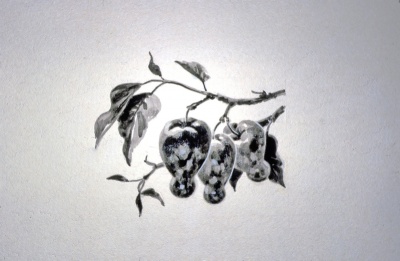
Genesis 2:16
When we say that someone has eaten a forbidden fruit, it is generally referred to the taste of something tempting but immoral. Sometimes, it refers to the first taste of sex.
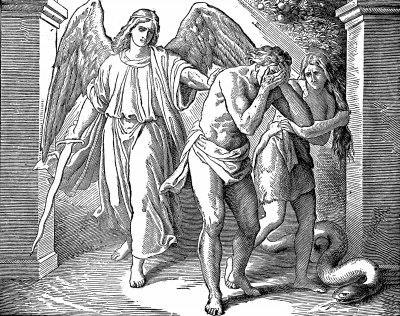
Genesis 2:8
Garden of Eden has been used by various authors as an image of love
Psalms 84:7
To go or progress from strength to strength is to increase in strength
Matthew 5:41
To go the extra mile means to work harder than is necessary.
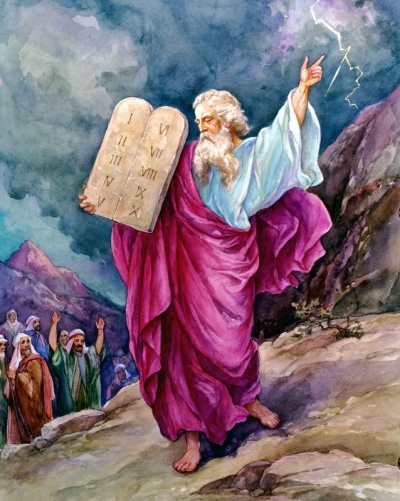
Leviticus 19:18, Matthew 7:12, Luke 6:31
The most essential or fundamental rule.
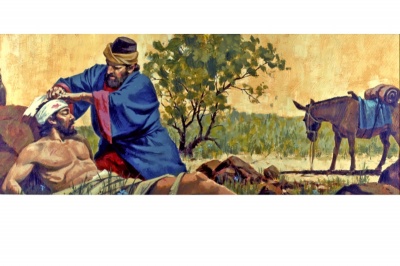
Luke 10:30-35
A good Samaritan is someone who offers help to those in need.
Bible idioms
This common expression did not originate from the Bible, nonetheless its origin is related to God. It originally meant “God be with you” or, in an earlier form, “God be wy ye”. The…
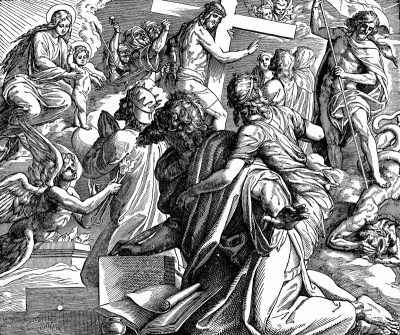
Isaiah 3:14-15
To grind the faces of the poor into dust is to ill treat the poor.
Proverbs 25:22
This idiom refers to the situation when you act friendly towards an enemy.
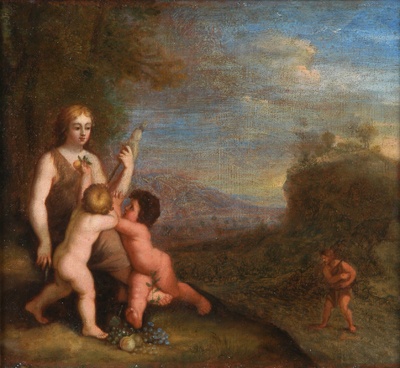
Genesis 2:18
A helpmate is more aptly interpreted as someone valuable and indispensible.
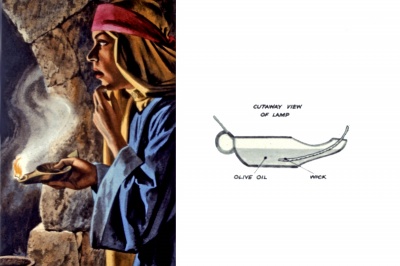
Matthew 5:15
To hide one’s light under a bushel came to mean to be modest about one’s talents.
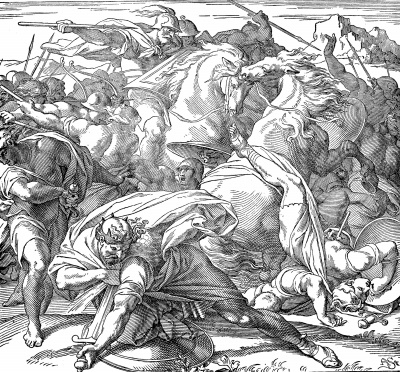
2 Samuel 1:19
This expression is used when we gloat over, or quite pleased to see the fall of someone famous or important.
1 Corinthians 15:51-52
If something happens in the twinkling of an eye, it happens very quickly.
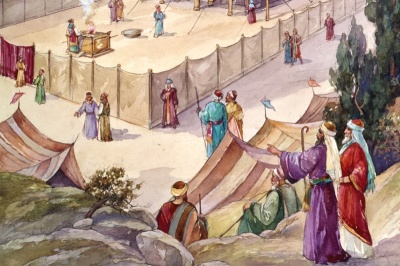
Deuteronomy 8:2
To be in the wilderness often means going through big difficulties in one’s life.
Matthew 5:18
We still use this expression to signify something minute but important, e.g. “an iota of truth”.
Song of Songs 7:4
Ivory tower is used as a term for isolation from reality.

Matthew 10:15, Revelation 20:15
What will happen on the day of judgment, and when? On the day of judgment, people will be judged according to their past deeds, attitudes and inclinations. Jesus, in the Gospel of…
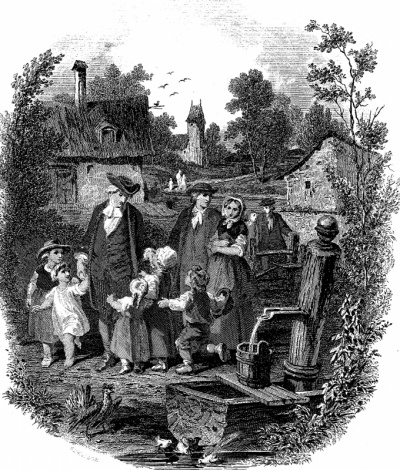
1 Thessalonians 1:3 KJV
Labour of love came to mean work that is done voluntarily without expectation of material return.

Exodus 3:8
Any places that are prosperous and abundant with resources.

Genesis 4:16
“Nod” gradually became a term that carries the meaning of sleep, as in “nod off”. For example, he is in the land of Nod means he is asleep.
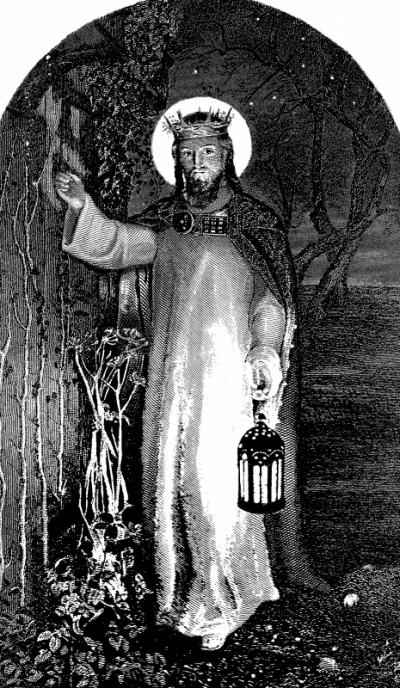
Matthew 5:14
The phrase comes from the sermon which Jesus delivered on Mount Beatitudes in front of a crowd. Just as a light should be put on a lampstand for it to shine through the house, so…
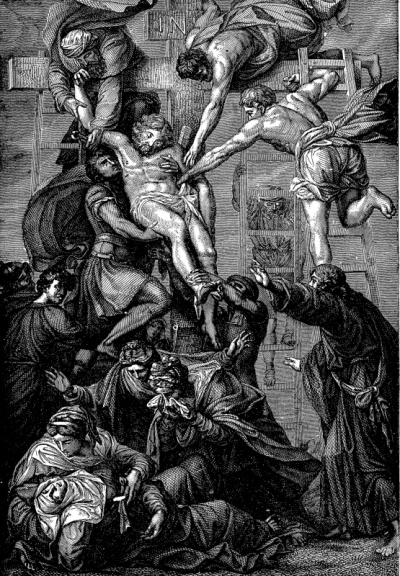
Isaiah 53:7
When people are like lambs to the slaughter, they are doomed to go through something unpleasant without realising how disastrous it will be.
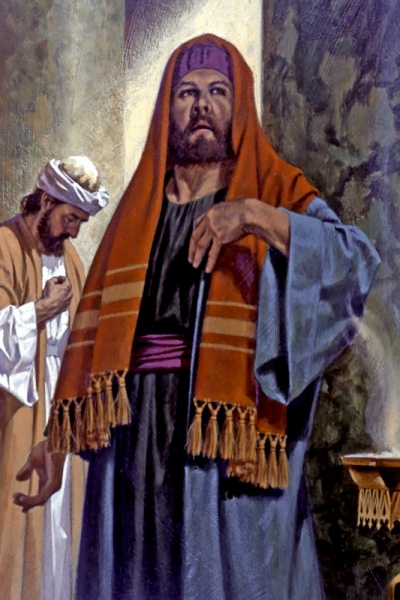
Isaiah 29:13
When we say some people are paying lip service, it means their deeds do not follow their words.
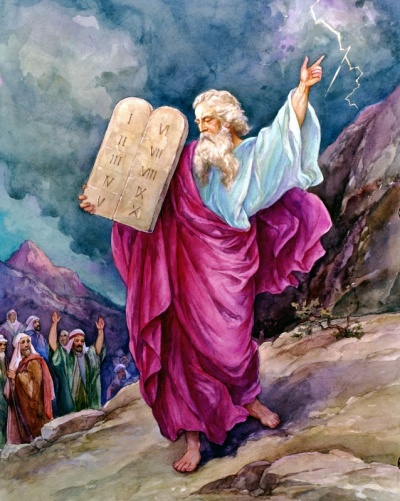
Leviticus 19:18
“Thy” is an archaic word for “your”. God first mentioned “love thy neighbour as thyself” as one of the various laws he set out before Moses. But which laws are considered more…
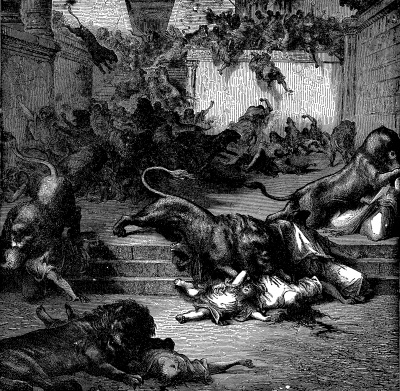
1 Corinthians 4:9
To make a spectacle of oneself is to make a fool of oneself, i.e. to act silly in public.
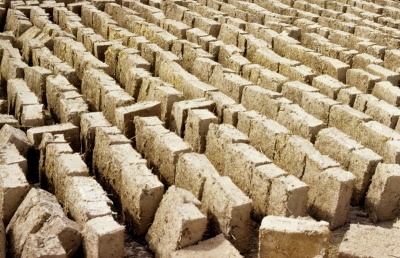
Exodus 5:7-8
Today, making a brick without straw means trying to achieve something without the proper materials. Figuratively, it means doing work that is nearly impossible to achieve .
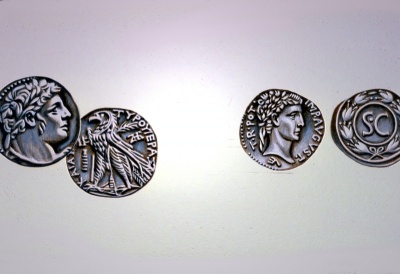
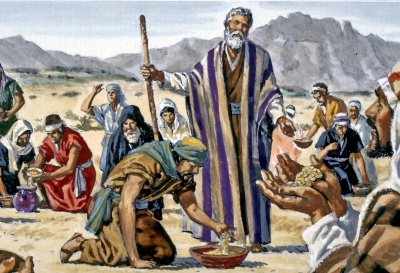
Exodus 16:14
Manna from heaven is an unexpected but very needed gift.


Matthew 7:2, Shakespeare
“Measure for measure” is an idiom as it is a title for a Shakespearean play. It comes from Jesus’ famous sermon delivered to his followers at Mount Beatitudes. Chief among his…
Mark 9:42
A millstone around your neck is a problem or responsibility that prevents you from doing what you want to do.
Acts 20:35
This biblical verse has evolved into the more popular saying of “there is more happiness in giving than in receiving”. This idiom became a catchphrase of charity organizations when…


Genesis 4:9
The biblical question “Am I my brother’s keeper?” is used these days when we try to hide the truth or evade responsibility. Someone is a “Brother’s keeper” when he or she is a…
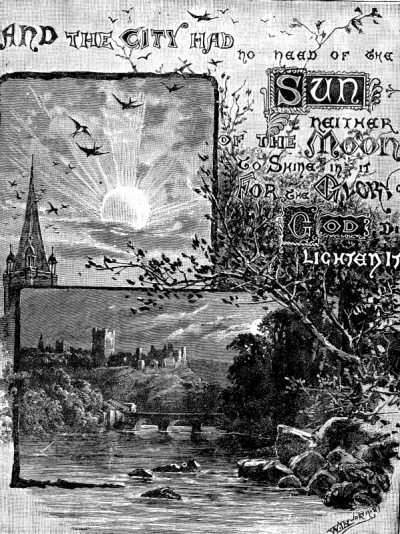
Isaiah 65:17
Isaiah the Old Testament prophet foretold the coming of new heavens and a new earth at the end of the world, where those who accepts God will live with joy in a new Jerusalem. “There…
Luke 5:36-37
To pour new wine into old bottles means to re-introduce something that has been around for sometime under the guise of a new package.
Matthew 6:24
No man can serve two masters – who are the masters? Here, Jesus refers to them as God and mammon, an ancient Hebrew term for wealth. Jesus reminds his disciples that they can only stay…
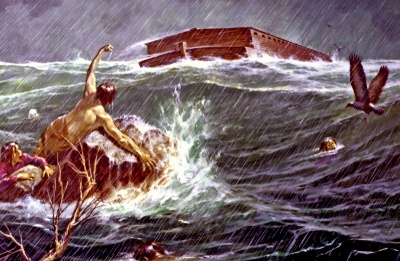
Genesis 6:13
Today, we describe someone as “Noah” to commend his unwavering faith in a mission that seems impossible on the surface.
Deuteronomy 8:3
The Israelites, under the leadership of Moses, spent forty years in the wilderness in search of the promised land after leaving Egypt. While in the wilderness, Israelites learnt to…

Genesis 8:11
Today, the olive has become a symbol of peace and reconciliation.
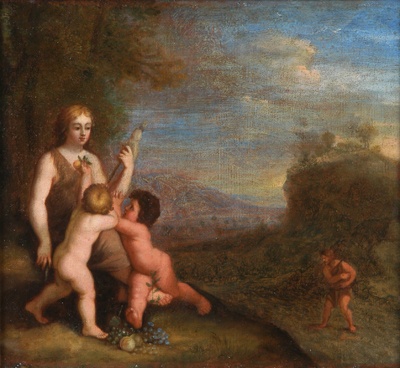
Genesis 2:23-24
It signifies unity in marriage where one finds the missing part in his or her significant half.

Psalm 8:1-2
Today, words that are out of the mouths of babes are words from children that surprise you with their wisdom.
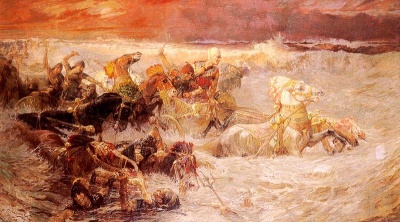
Exodus 14:21-22
Today, to part the water is to solve problems that are very difficult and seem unachievable .
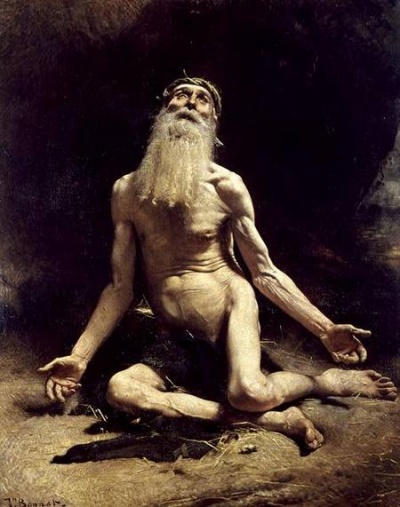
Philippians 3:14
To press on toward the mark is to press through every difficulty to reach your aim.
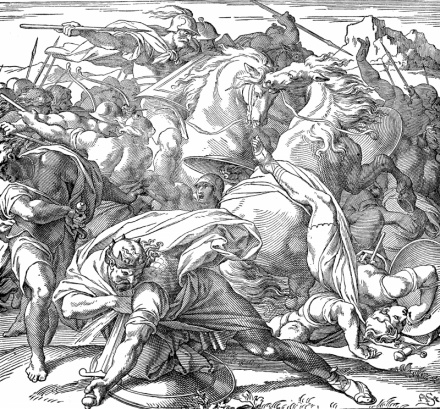
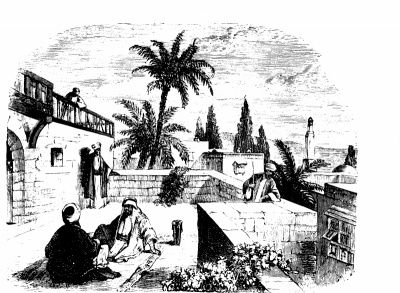
Matthew 10:27
If something is proclaimed from the rooftops, it is made as widely known and as public as possible.
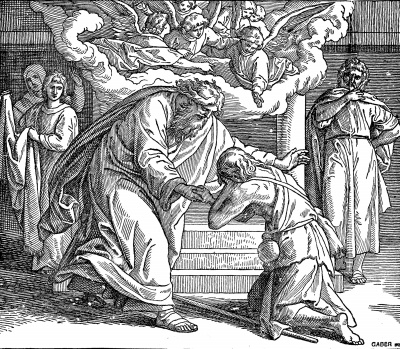
Luke 15:11
A prodigal son refers to anyone who has been wayward. The return of a prodigal son is a return to a better way of living.

Hebrews 11:9
Today, “promised land” can be generalized to mean any place blessed with plenty of resources. It can be interchangeably used with “land flowing with milk and honey”.
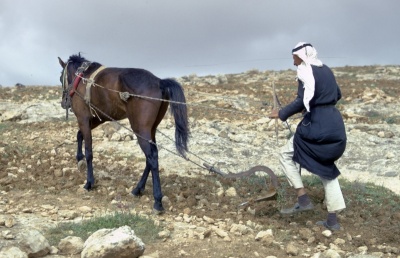
Luke 9:62
If you put your hand to the plough and look back, you are second guessing yourself. Another idiom derived from this bible verse is “put one’s hand to the plough”. It means to get on…
Isaiah 60:1
The expression “rise and shine” is commonly used as a command in armed forces to ask people to wake up and leave their bed. It came to be used as a wake-up call for someone.
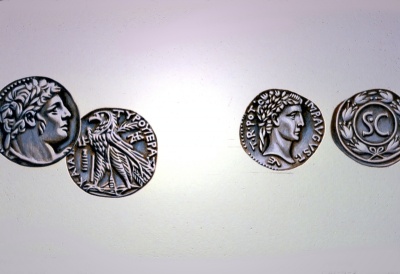
1 Timothy 6:10
Now a common expression, “love of money is the root of all evil” first appeared in Paul’s letter to his devoted follower Timothy. While Paul warns us of the vices that can grow from…
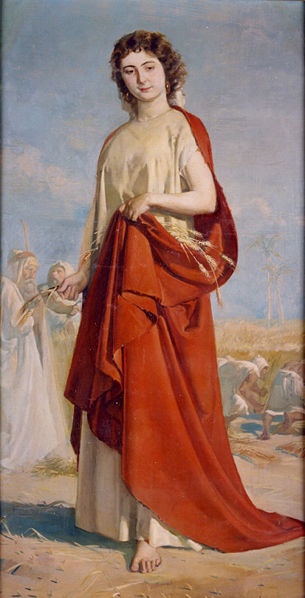
Leviticus 25:4
A sabbatical year is a period during which people take a break from their normal routine of work.
Matthew 5:13
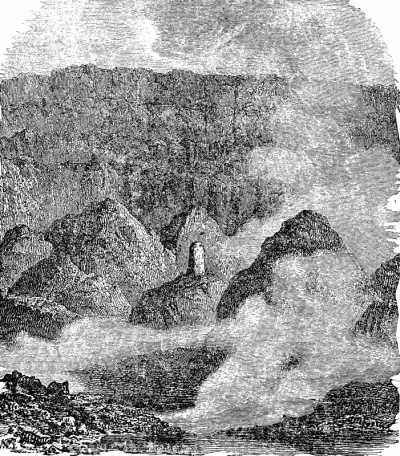
Today, salt of the earth is used to describe people who are humble and unpretentious.
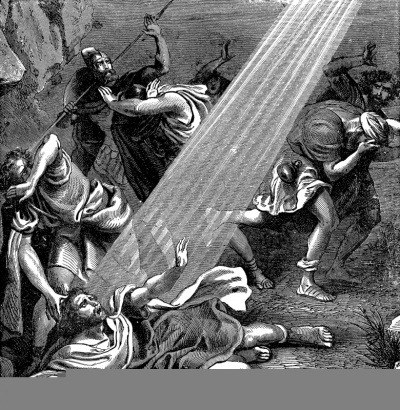
Acts 9:18
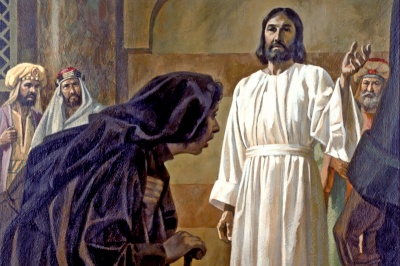
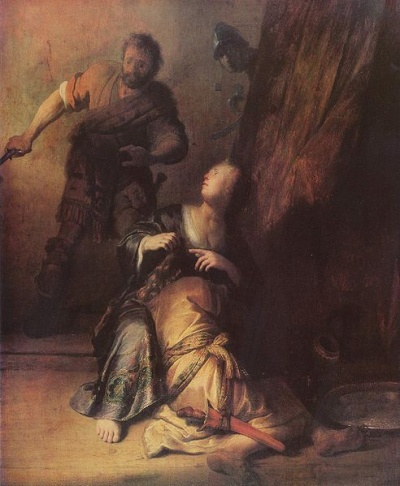
When the scales fall from your eyes, you suddenly realise the truth about something.
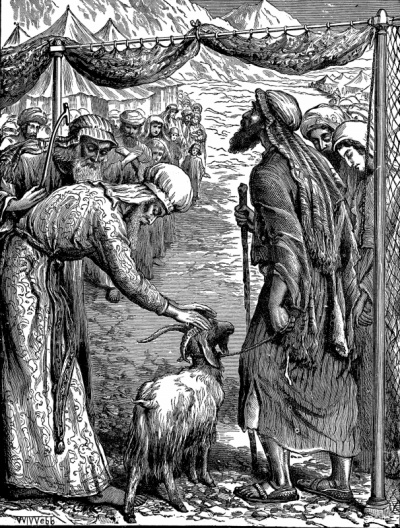
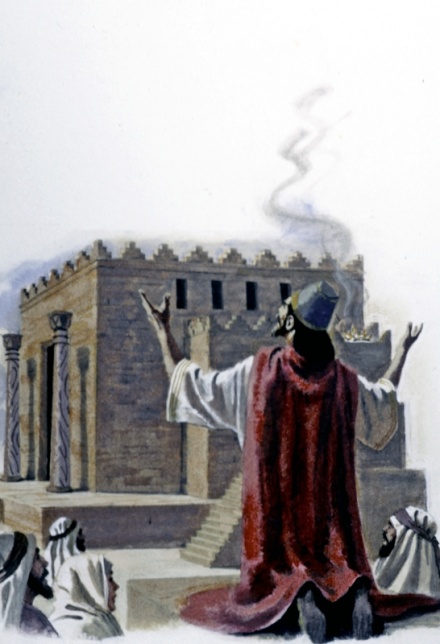
1 Chronicles 28:9
To search one’s heart or soul is to seek out one’s innermost desires.
Matt 24:30-31
Jesus was crucified and rose again three days after his death. Before his death, he told his disciples that he would come again, “on the clouds of the sky, with power and great glory”.…
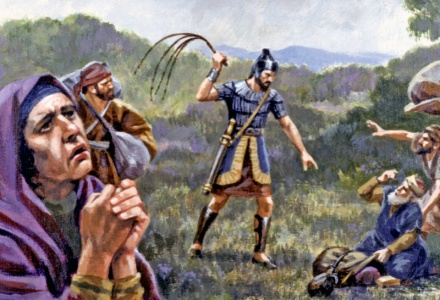
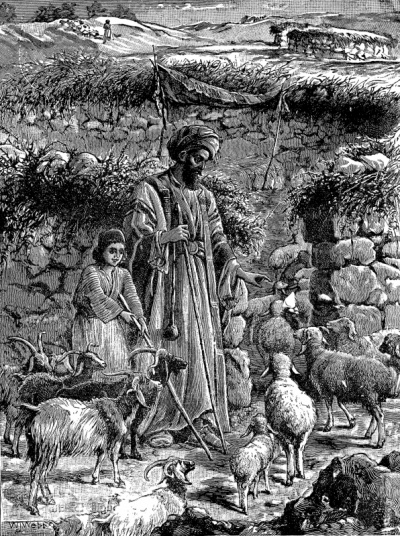
Matthew 25:32
God likens people to herds of sheep for their simple nature. Goats, on the other hand, represent the hard-hearted who do not accept God. If you separate the sheep from the goats, you…
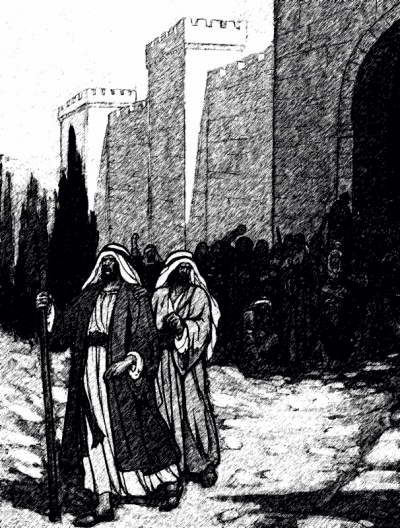
Matthew 10:14
This action is used to show how much you want to separate yourself from something unpleasant.
Matthew 16:3
Jesus said the above in a response to the Pharisees and Sadducees who tried to tempt him to give a sign from heaven. The “signs of the times” that these people cannot interpret are…
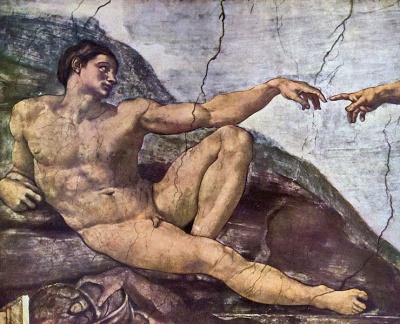
Genesis 1
Both phrases refer to a period in the distant past where a specific time could not be traced anymore.
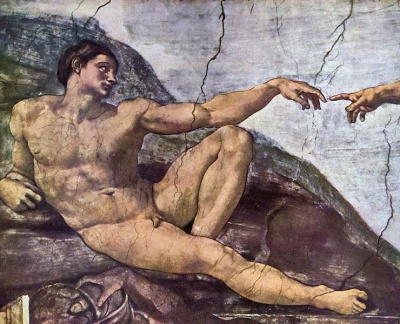
Genesis 1:26
Son of Adam is referred to mankind in general and man in the specific.
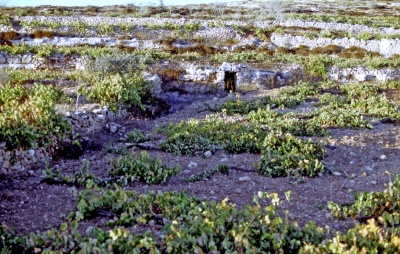
Jeremiah 31:29-30 and Aesop
Sour grapes were intended to mean sinful deeds in the Bible. In Aesop’s fables, you dismiss something as sour grapes when you try to belittle something you cannot have but really…
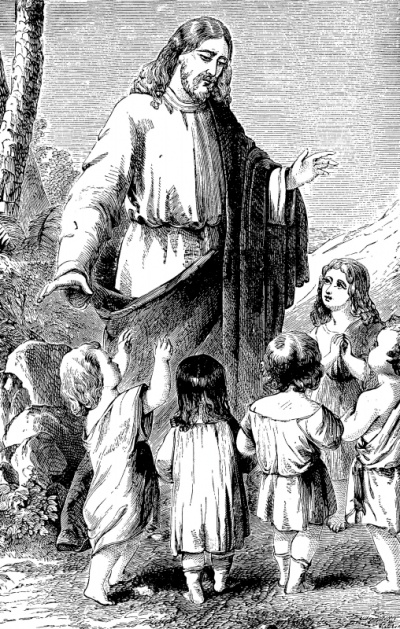
Proverbs 13:24
This expression means that if you don’t discipline children, they will become spoiled.
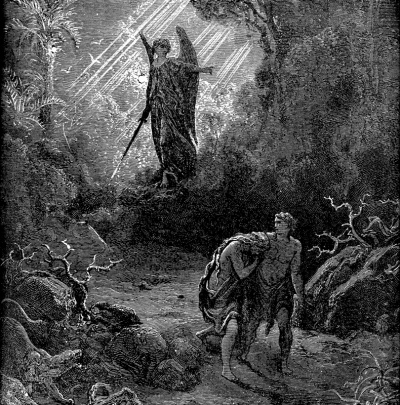
Proverbs 9:17
Temptations are sweet. Stolen waters are temptations.
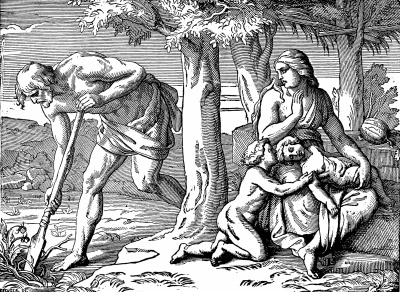
Genesis 3:19
Sweat of your brow signifies hard work and intensive labour.
Matthew 15:14
When the blind are leading the blind, the people in charge of something don’t know anything more than the people they are supposed to lead.
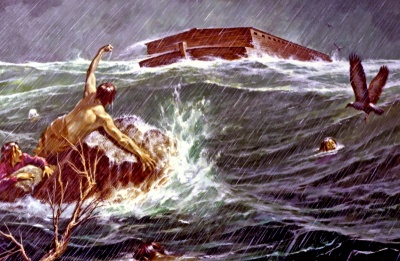
Genesis 7:10
Deluge can figuratively mean something that is overwhelming in numbers.
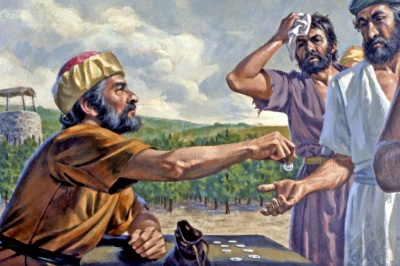
Matthew 20:6
Today, when you do something at the eleventh hour, you do something at the last minute.
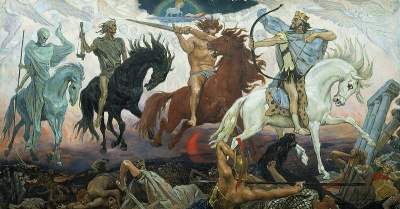
Revelation 6:1-8
The Book of Revelation foretells God’s judgment at the end of the world. The four horsemen described above are said to bring conquest, war, famine and death to the world. This metaphor…
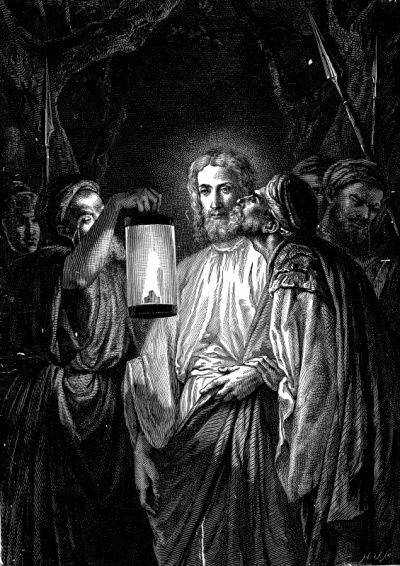
Matthew 26:49
When something is a kiss of death, it is considered to have damaging effects.
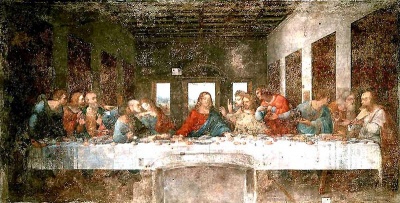
Luke 22:7-38
The last supper is the final meal Jesus had with his disciples before his death. During the supper, Jesus blessed the bread and wine, which represented his body and blood respectively.…
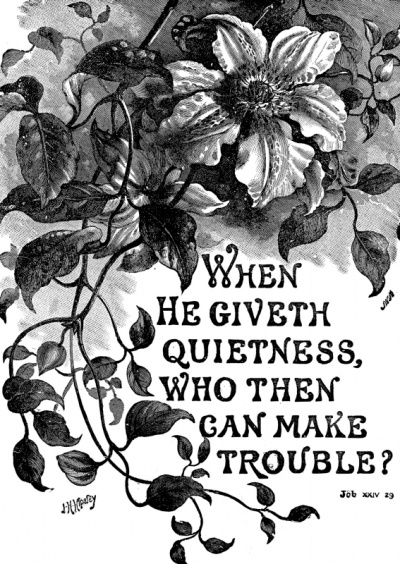
Isaiah 11:6
The above is a prophecy of the coming of Christ. Wolves prey on lambs, yet they should lie down together in harmony when Christ comes to rule in the future. This wolf-lamb duo…
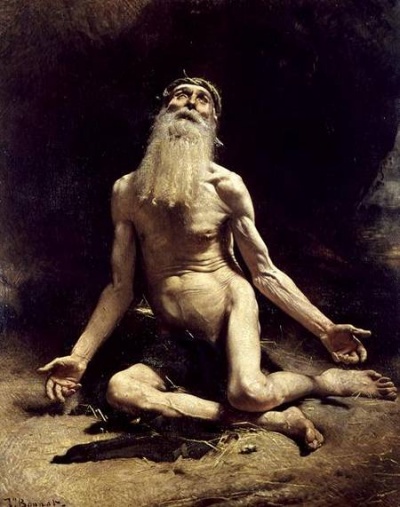
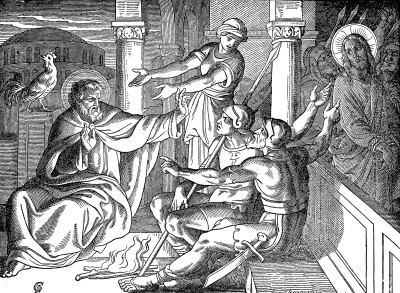
Mark 14:38
When we say someone wants to do something but do not complete it because of physical weakness or other distractions, we say that his “spirit is willing but the flesh is weak”.
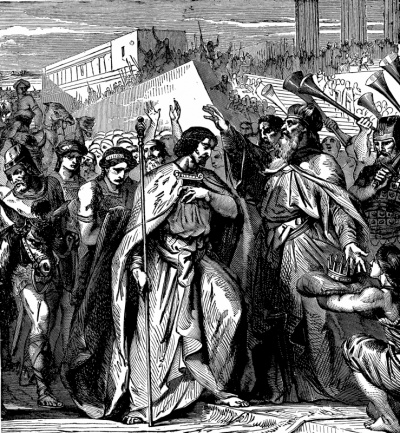
Ecclesiastes 1:9
You may have already heard this popular saying, but do you know who created this inspiring quote? It is written by King Solomon, a wise king in Israel who was the son of King David. In…
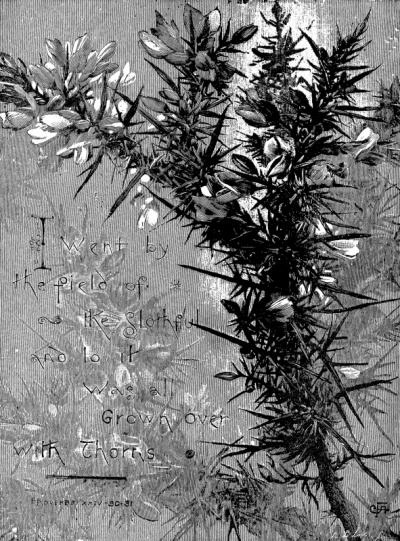
2 Corinthians 12:7
A thorn in your side is someone or something that causes trouble or makes life difficult for you.
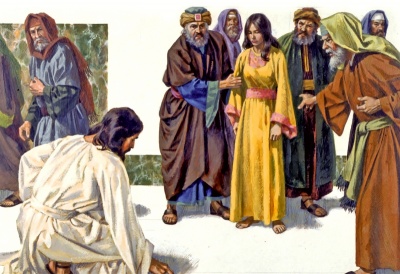
John 8:3
To cast the first stone is to quickly condemn or judge someone’s fault.
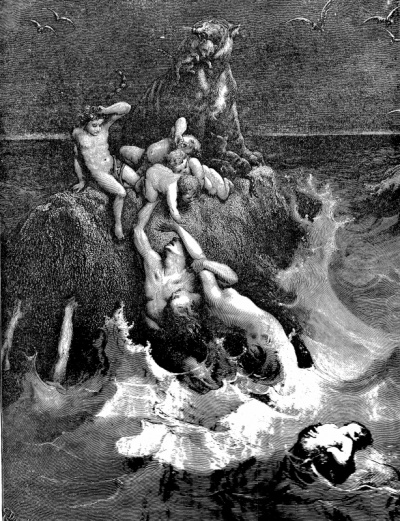
Psalms 46:3
You may have heard “troubled waters” in the song: Like a bridge over troubled waters. The concept of water being troubling is not new. Water has been used in the bible as a metaphor of…
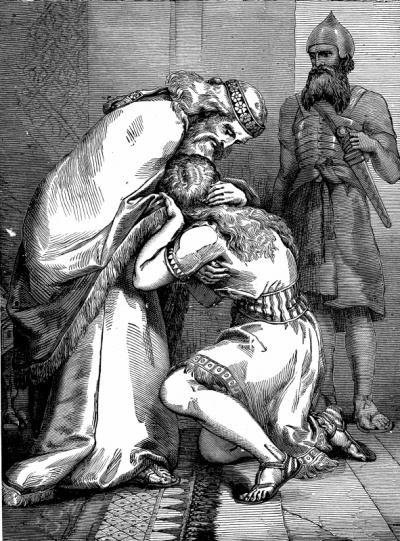
Matthew 5:38-39
If you turn the other cheek to others, you are a forgiving person.
Romans: 6:23
Sin is a crucial concept in Christianity. What is sin? Sin is an offense or violation that turns us away from God. Sins are not only wrongdoings or misdeeds, but can be some shameful…
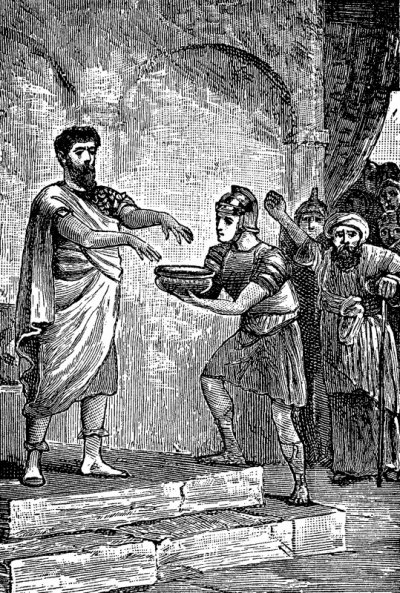
Matthew 27:22-24
To wash one’s hands of something is to disown any responsibility of for something.
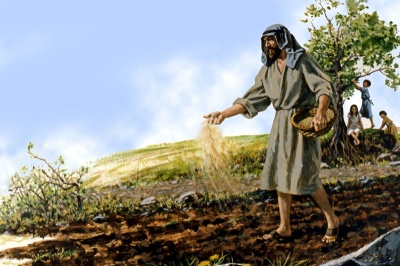
Galatians 6:7
Paul the apostle in his letter to the churches in Galatia, a Greek city, reminded the people there of the duty to live a life of faith in Christ, because people will be judged in the…
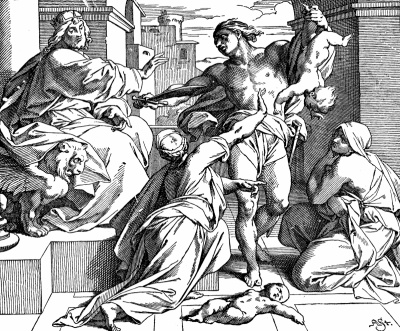
1 Kings 3:16-28
People who are described as having the wisdom of Solomon are very wise.

Matthew 7:15
This expression has become a popular saying for any hidden danger under the disguise of friendship.
Try another word or clear your filters to explore the full collection.